News - Evecon - Page 2
The largest solar park in the Baltics, with a production capacity exceeding 77 MW, is now in operation in Estonia

The largest solar park in the Baltics, with a production capacity exceeding 77 MW, is now in operation in Estonia

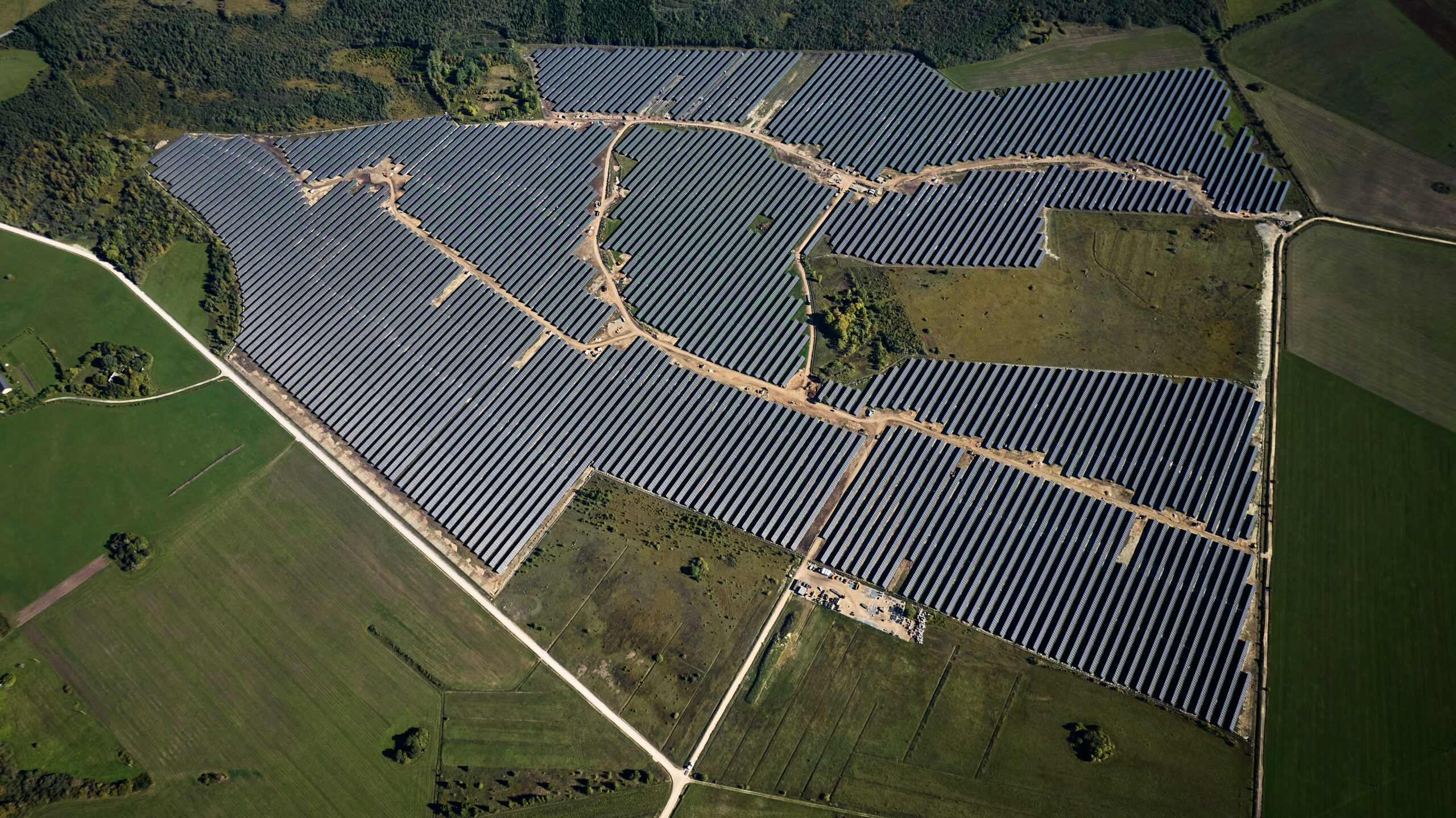
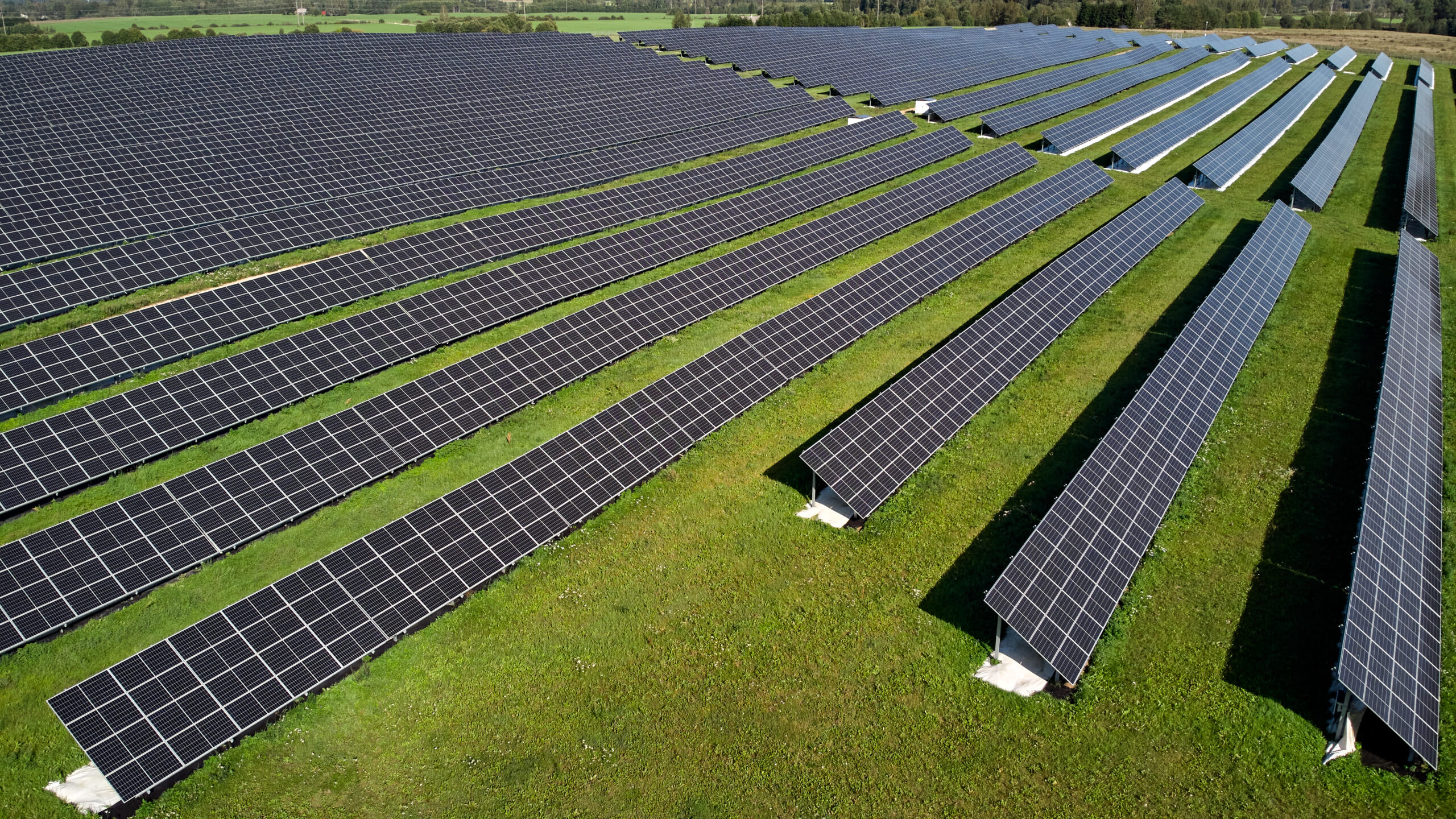
On Thursday, the Estonian energy company Evecon and Mirova, an asset manager dedicated to sustainable finance, opened the largest solar park in the Baltics, located in Kirikmäe in Pärnu County. The production capacity of the Kirikmäe park, spread over nearly 110 hectares, is 77.53 MW, which is more than twice the capacity of the largest existing solar park in Estonia. It covers the estimated annual energy needs of 35,000 households. The Kirikmäe Park is owned by the Baltic Renewable Energy Platform (BREP), a joint venture set up by Evecon and Mirova in December 2022, for the financing, the construction, the operation of a portfolio of more than 100 MWp of Solar Parks in Estonia.    

“The construction of the Kirikmäe solar park is a landmark event for the entire Baltic region due to the size of the production unit and the scale of the investment. Including the Imavere and Lohu mets solar parks, which were opened by Evecon and Mirova just a few days ago, more than 100 MW of production capacity will be added to the local market within one week. This represents about one-tenth of the total solar capacity currently produced in Estonia,” said Karl Kull, CEO of Evecon. “We would like to thank Mirova for the success of this project and also for trusting the Estonian renewable energy market.”

According to Karl Kull, the Kirikmäe solar park was completed in six months, which stakes a claim to the speed record in solar park construction. ‘After the preparation of the solar park site, Wiso Engineering started construction work in April this year. It was a large-scale construction project – there were 250 builders on site at its peak.’

“Evecon proposed a community benefit model to the municipality of Lääneranna in the form of a contract. This is a voluntary step by the company, as there is no provision for the payment of a tolerance fee in the case of solar energy production, as there is in the case of wind turbines. The municipality receives 0.6% of the revenues generated by the park,’ Karl Kull explained. ‘I also wish to thank the municipality of Lääneranna, with whom our affairs were conducted smoothly and whose attitude has been favourable to the construction of such a large solar park in Kirikmäe.”

The strategy of Mirova’s renewable energy funds has always been to participate in building new installed capacity alongside industrial partners and project developers in Europe. We are proud  to bring our contribution to the Baltics’ decarbonisation and energy independance with this major asset and our grateful to our partner Evecon for the quality of our partnership.“ added Raphael Lance, Head of Energy Transition Funds at Mirova.

“The use of solar energy has grown rapidly in Estonia. In 2020, we started with almost no capacity, but now we rank sixth in the European Union in terms of solar panel capacity per capita. Our goal is clear – by 2030, the electricity we consume must come from renewable sources. Solar energy, which is currently also offering the most affordable electricity, makes an important contribution to achieving this goal,’ said Climate Minister Yoko Alender.

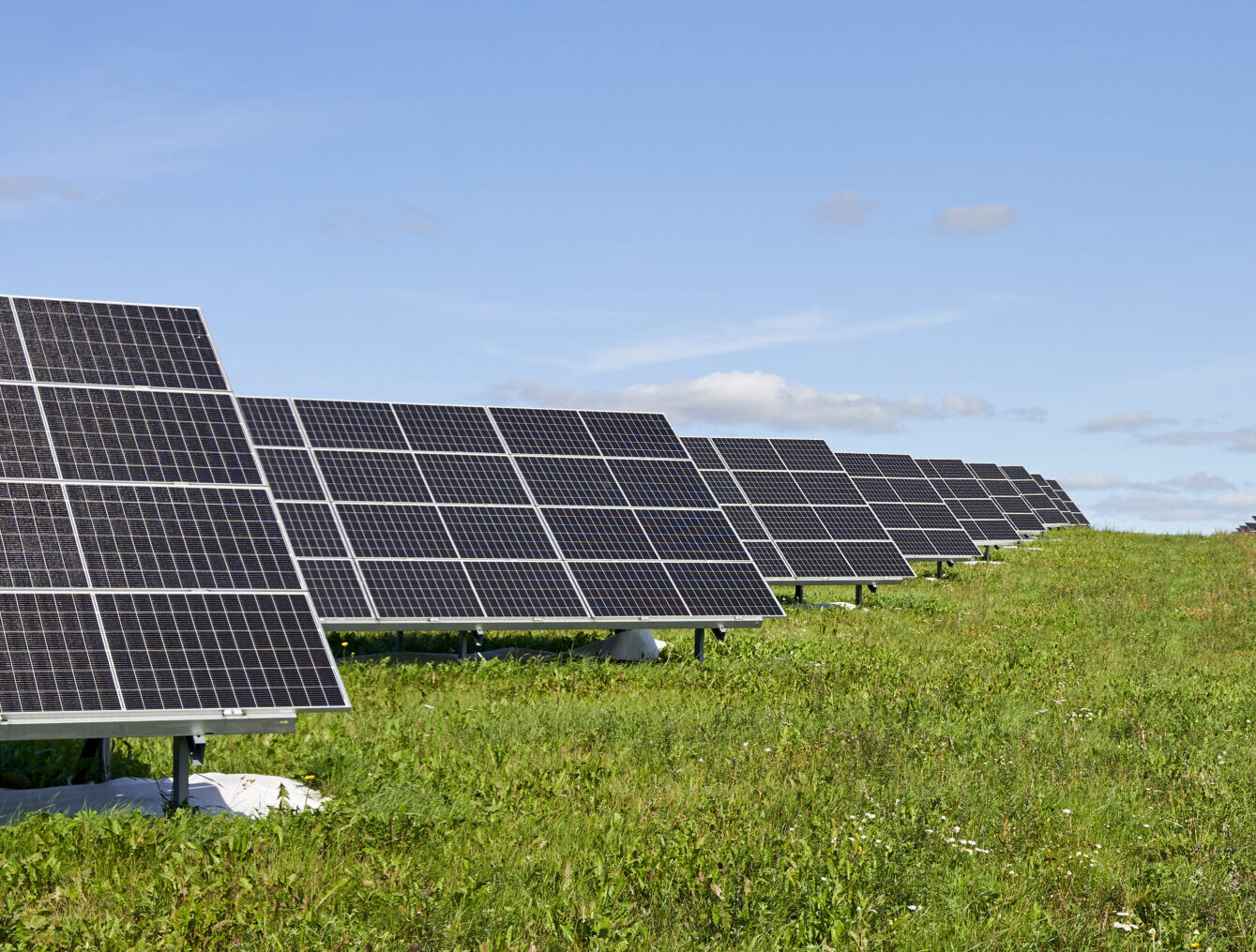
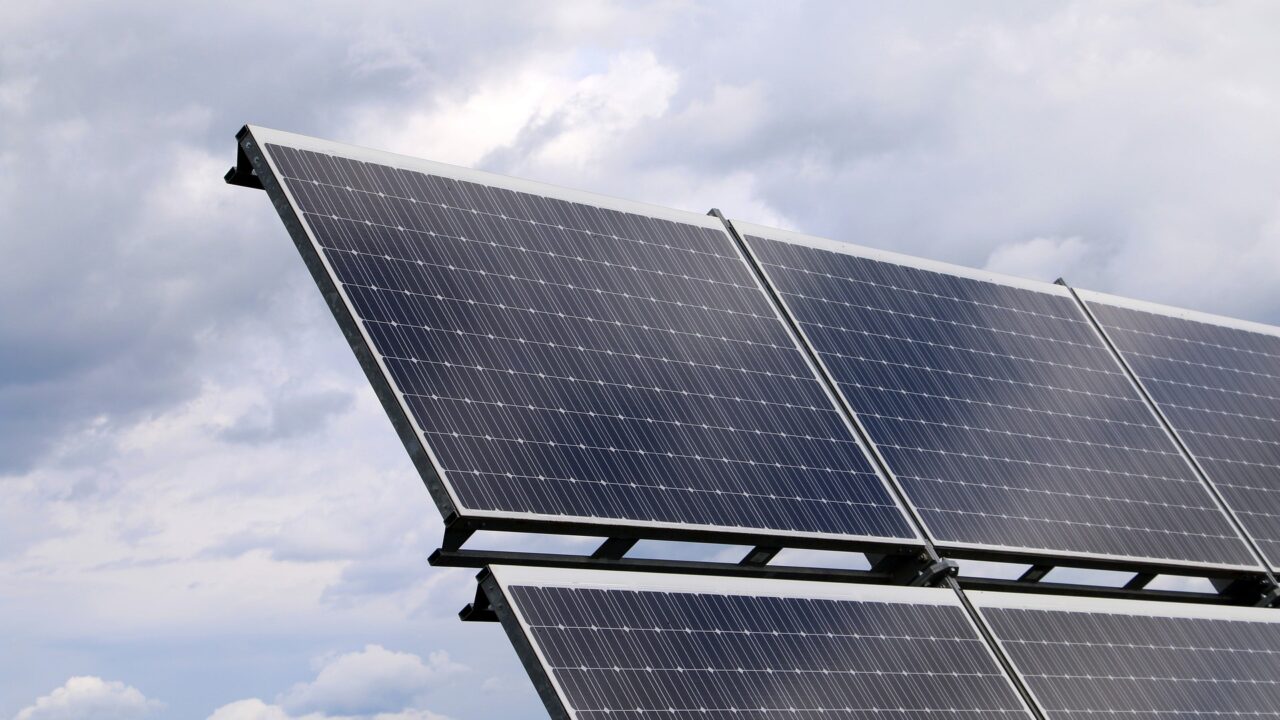
The land area of Kirikmäe solar park is 110 hectares and it will cover the annual electricity consumption of an estimated 35,000 households. A total of 117,600 solar panels with a total power of 655–665 W will be installed there. The manufacturer of the solar panels is Canadian Solar.

The cornerstone was laid for the largest battery park in continental Europe in Kiisa, Estonia

The cornerstone was laid for the largest battery park in continental Europe in Kiisa, Estonia

The cornerstone was laid for the largest battery park in continental Europe in Kiisa, Estonia

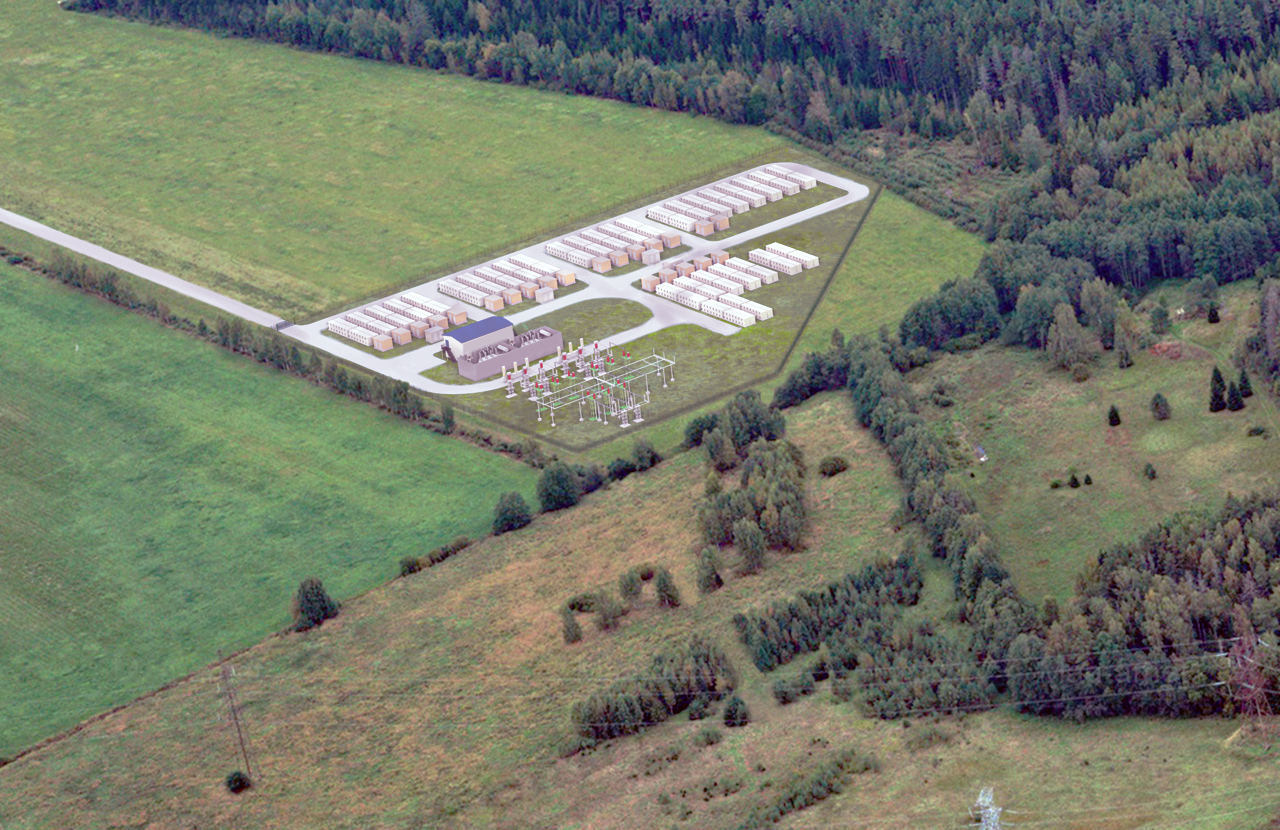
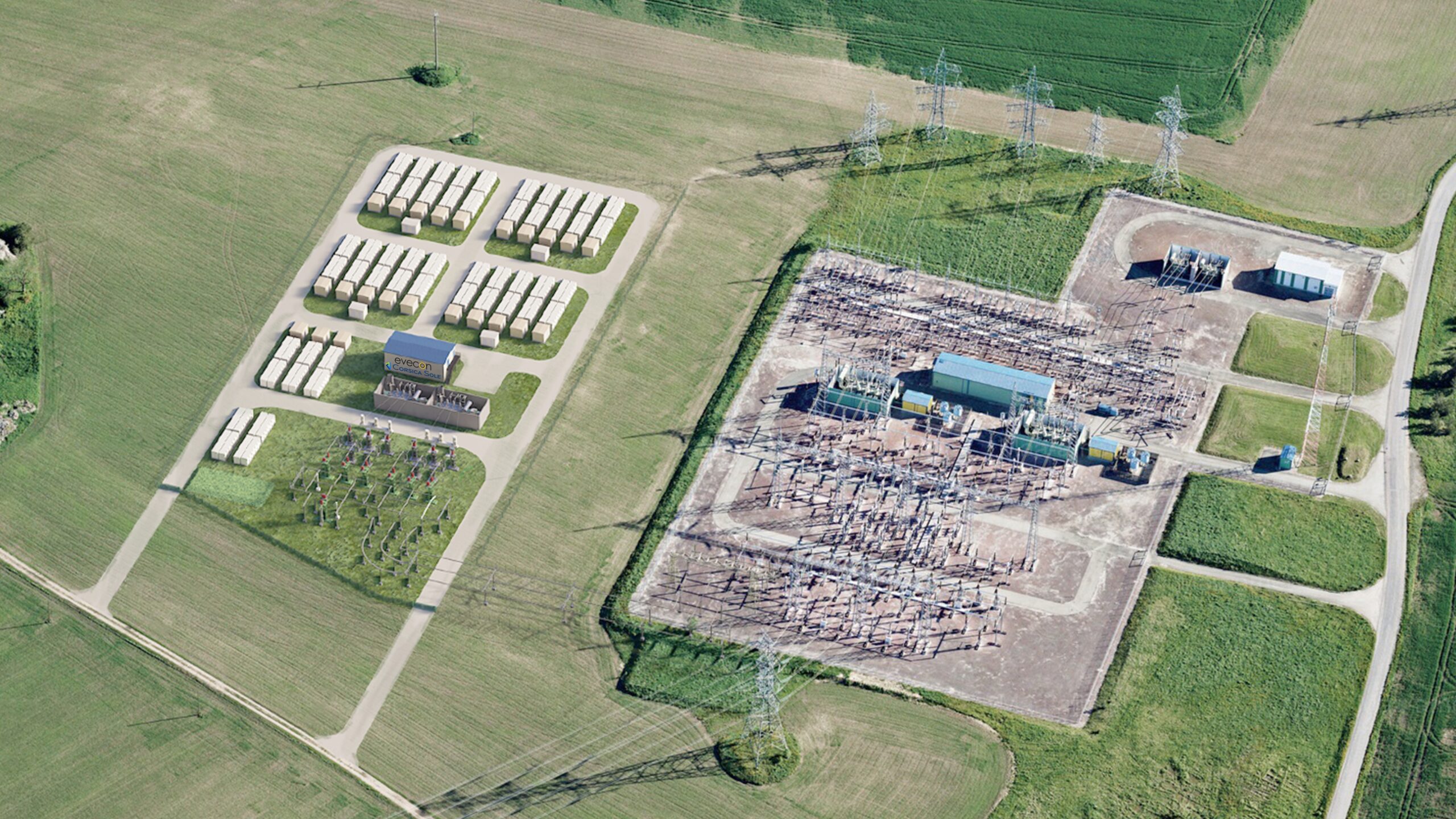
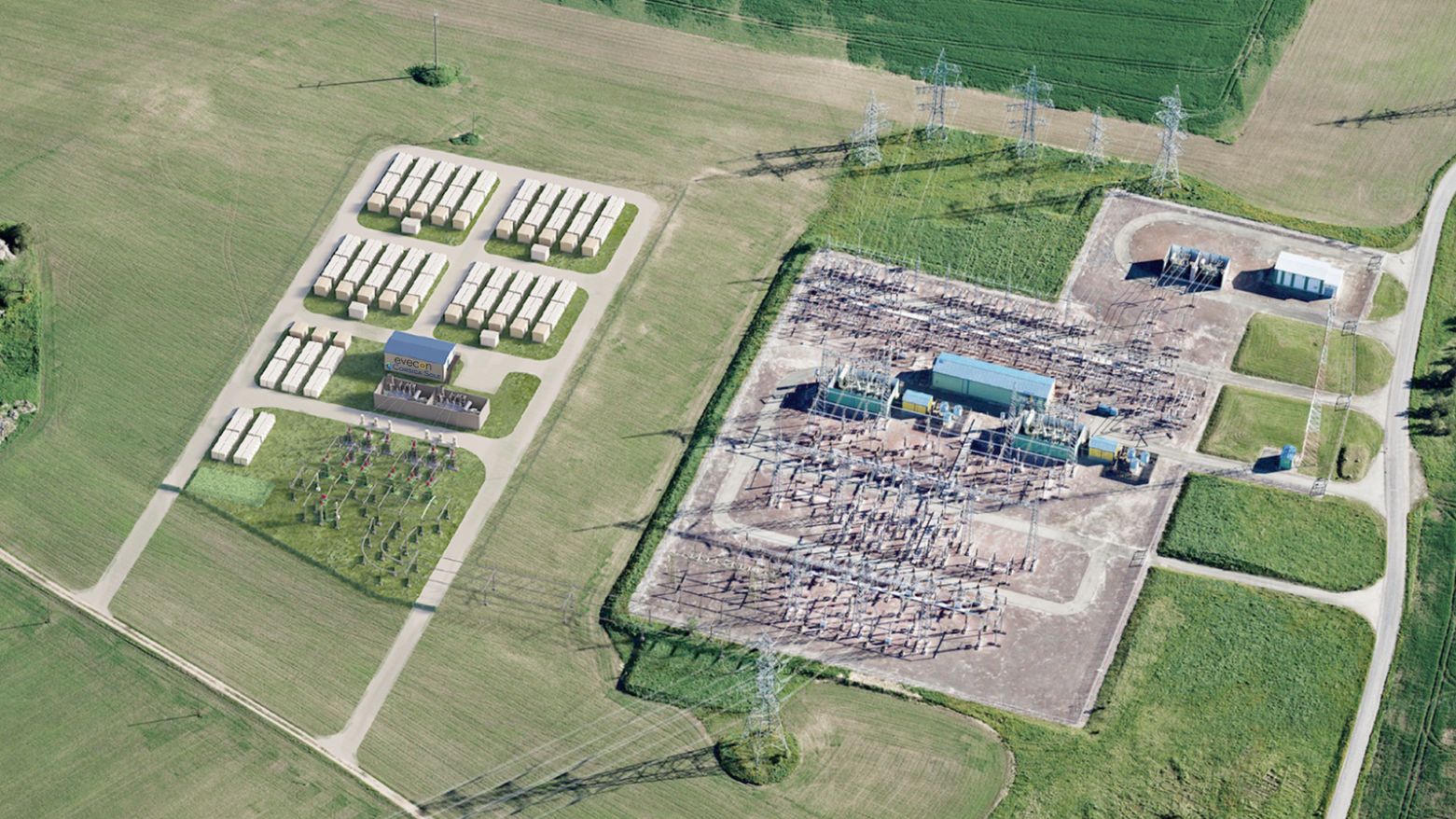
The cornerstone was laid today for the largest battery park complex in continental Europe, in Kiisa, Estonia, by Baltic Storage Platform. This is an important step to ensure the synchronisation of the Baltic countries to the European grid in 2025.

Baltic Storage Platform, a joint venture between the Estonian energy company Evecon, the French solar energy producer Corsica Sole and Mirova, an asset manager dedicated to sustainable finance, aims at building two battery storage parks in Harju County with a total power output of 200 MW and a total production capacity of 400 MWh. The first project should be commissioned by the end of 2025 and should be followed by the second park in 2026.

‘This is a historic moment for both Estonia and for the entire Baltic energy sector for two reasons. First, this is an extremely important and real step to prepare the synchronisation of for the Baltic countries. Secondly, no one has yet built such a large complex of battery parks in continental Europe. I believe that laying the cornerstone together with our good partners from Corsica Sole and Mirova will not be the last, and we will continue to act to ensure energy security in this area,’ said the CEO of Evecon, Karl Kull.

‘We are proud to bring our expertise on energy storage system that we have developed from our origin in the French Islands and that we now export to the rest of Europe to provide the services necessary for the stability of electricity networks and impower the integration of renewable energies,’ said Michael Coudyser, CEO of Corsica Sole

‘We are particularly proud to participate in the decarbonisation and energy independence of the Baltic countries through the deployment of new clean energy production and storage capacities. At the origin of the relationship between our partners Corsica Sole, and Evecon, we have very logically chosen to strengthen the financial capacity of their common platform dedicated to storage to allow it to deploy more capacity in the Baltic countries. This significant milestone speaks to Estonia’s ambitions in deploying local energy storage capacities, which we are pleased to support through our energy transition investment strategy,’ added Raphael Lance, Head of Energy Transition Funds at Mirova

‘Estonia has a clear goal – by 2030, the amount of electricity we consume must come from renewable sources. Energy storage plays an important role here, because we need to store solar and wind energy for moments when nature is currently resting. The development of storage systems helps to ensure a clean, reliable and affordable energy future for the people of Estonia,’ said Climate Minister Yoko Alender.

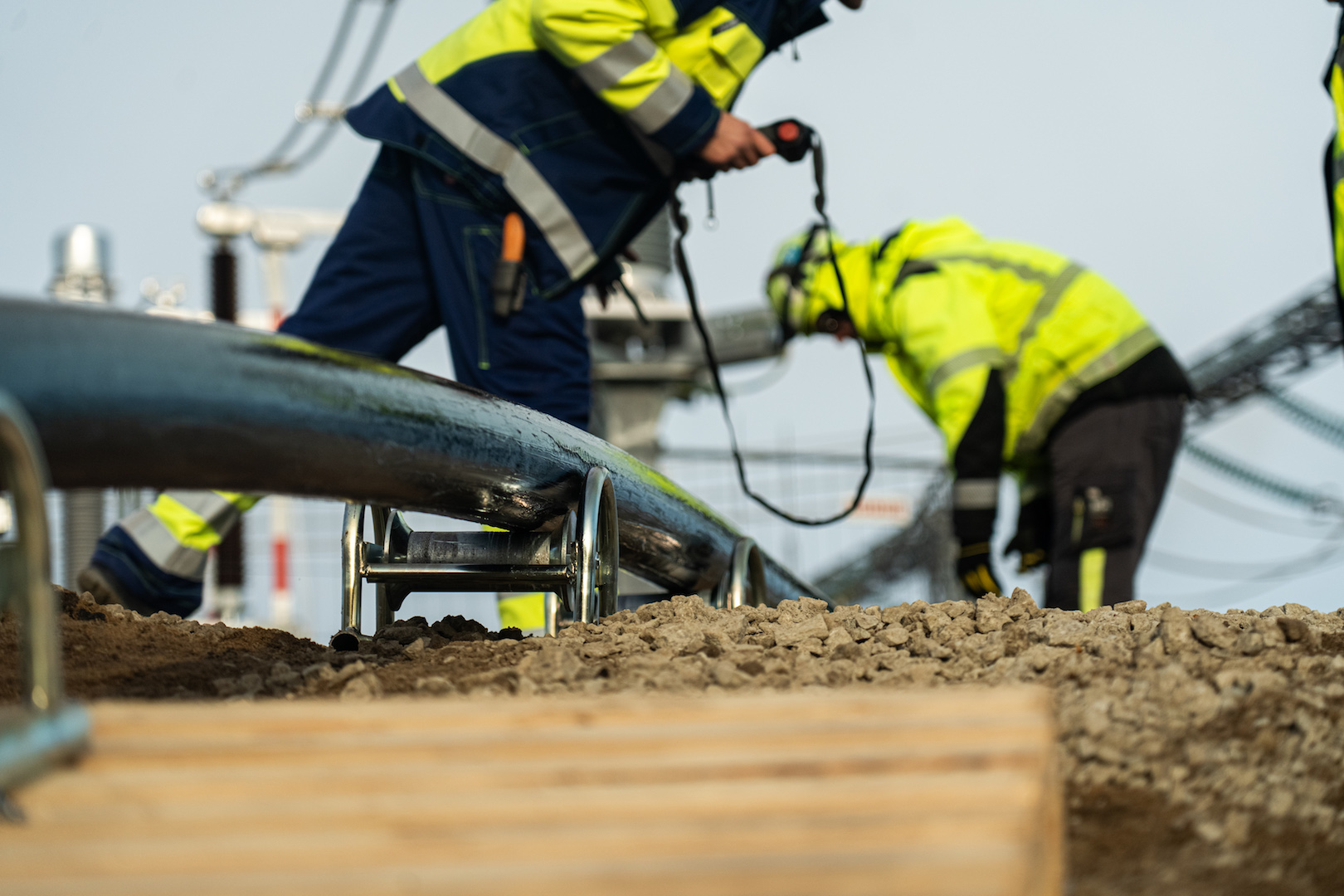
The battery park under construction and its substation will be connected to the electricity transmission network with a 330 kV AC underground cable, which is a first in Estonia.

More info: https://balticstorageplatform.ee/

Niam Infrastructure and Evecon partner up for 110 MW of solar & storage in Latvia

Niam Infrastructure and Evecon partner up for 110 MW of solar & storage in Latvia

PRESS RELEASE
11 SEPTEMBER 2024

Niam Infrastructure and Evecon have formed a partnership for the construction of up to 84 MWp of solar power and 26 MW of energy storage across 11 project sites in Latvia. This collaboration represents a substantial investment in the region’s renewable energy sector, highlighting the strong growth potential of the Latvian market.

The first batch of solar projects, which includes approximately 40 MWp spread across six solar sites, is already under construction, with commissioning planned for the end of March 2025. The second phase, encompassing approximately 44 MWp across five additional sites, is scheduled to begin construction before the end of 2024.

Sverker Åkerblom, CEO of Niam Infrastructure, commented on the investment:

“We are very excited to partner up with Evecon for the deployment of solar energy and storage in the growing Latvian market. We have been following Evecon and the broader Baltic market for a long time and are impressed with Evecon’s capabilities and expertise as well as the development of the Latvian energy market. We look forward to work closely with Evecon and jointly realise these projects and leverage on the evolving opportunities in Latvia.”

In addition to the solar projects, the partnership will actively pursue energy storage opportunities, initially focusing on the development of 26 MW of storage capacity connected to the solar sites. Various offtake strategies will also be explored, including power purchase agreements, to maximize the value of the generated energy.

Niam Infrastructure will provide equity financing for the construction phase, complemented by project financing from Citadele Banka. Upon completion, the projects will be jointly owned and operated by Niam Infrastructure and Evecon.

Gatis Lazda, CEO of SIA Evecon commented on the investment:

“We are thrilled about the opportunity to advance Baltic renewable energy in partnership with Niam Infrastructure. This collaboration is a perfect fit, combining Evecon’s strong presence and experience in the Baltics with Niam’s proven track record in infrastructure investments. This partnership enables us to strategically explore and develop new opportunities across the Pan-Baltic region.”

Vaidas Žagūnis, Member of the Management Board, Chief Corporate Commercial Office at Citadele banka:

“We are pleased to support the development of green infrastructure projects in Latvia, as these initiatives are crucial for driving the Baltic region toward a sustainable and energy-independent future. By investing in these projects, we are not only fostering economic growth but also demonstrating our commitment to responsible and environmentally conscious financial practices that will benefit both the economy and the environment for generations to come.”

This operation benefits from support from the European Union under the InvestEU Fund.

About Niam Infrastructure
Niam Infrastructure focuses on sustainable investments in renewable energy, transport, and telecom across the Nordic and Northern European regions. Its first fund targets small to medium-sized investments, with an emphasis on asset aggregation and risk reduction in sustainable infrastructure. Supported by the European Union under the InvestEU Fund, Niam Infrastructure leverages innovation, deep expertise, and close partnerships to promote a greener and more sustainable future.

About Evecon 

Evecon is an Estonian energy company whose main activity is the construction of wind and solar parks in Estonia, Latvia and Lithuania. By now, Evecon has completed renewable energy development projects with a production capacity of 59 MW. Additionally the company has 850 MW of active solar electricity projects and 900 MW of wind projects under development in Estonia, Latvia and Lithuania, which will be connected to the electricity grid by the end of 2026 and 2027. Evecon produces green energy for a cleaner future.

WiSo Engineering signed a representative agreement for the Baltic region with TEK Transformatör, the leading transformer manufacturer in Turkey

WiSo Engineering signed a representative agreement for the Baltic region with TEK Transformatör, the leading transformer manufacturer in Turkey

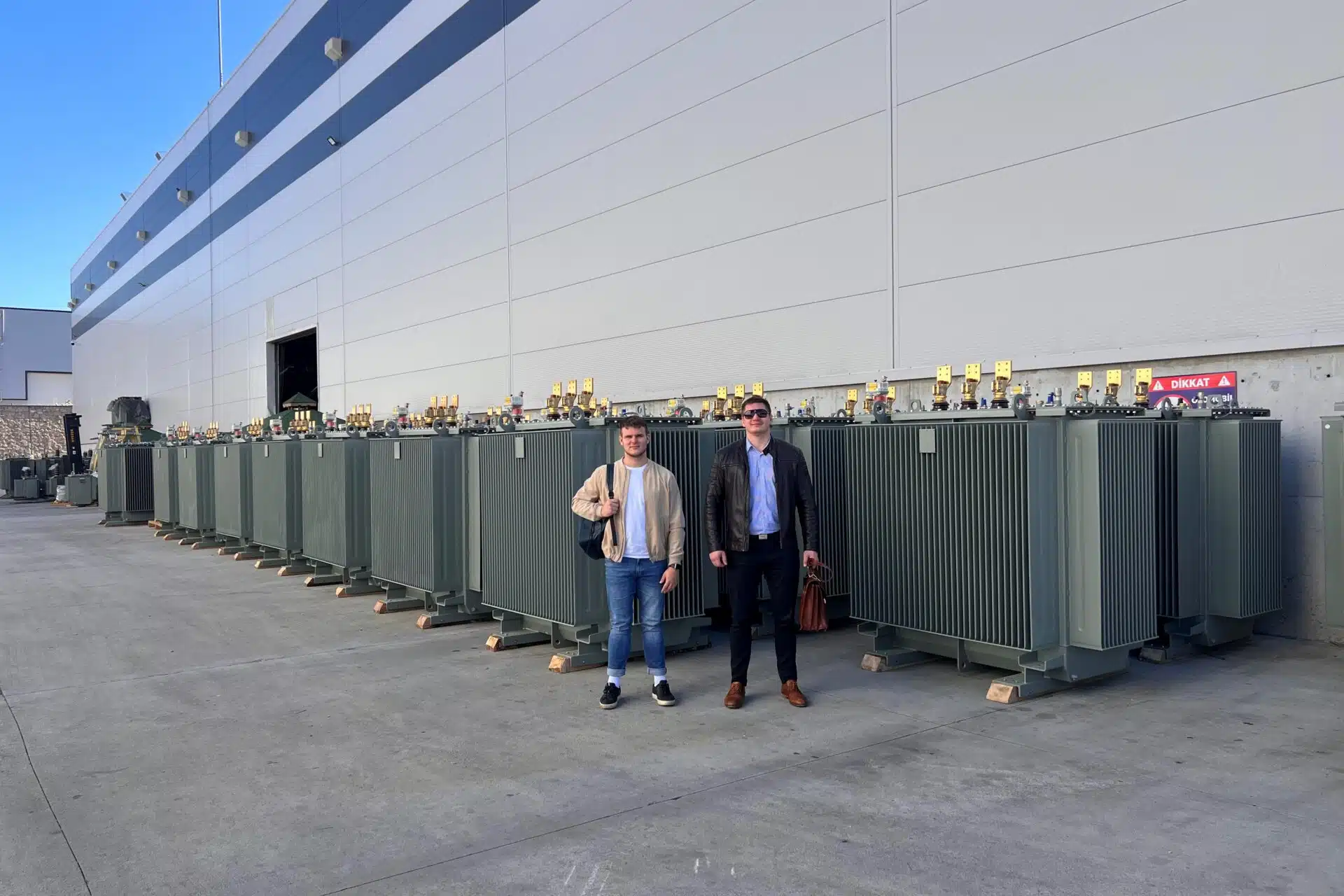
WiSo Engineering, the builder of energy parks and facilities, signed a representation rights agreement for the Baltic and Nordic region with TEK Transformatör, the leading transformer manufacturer in Turkey, which will create additional opportunities for the construction and reconstruction of energy parks and distribution networks in this region, as well as contribute to the implementation of national renewable energy goals.

‘TEK Transformatör has been engaged in the production and sale of distribution transformers for over 40 years and is a rising player in the world of transformers. Becoming the factory’s official sales representative in this region is an important step for WiSo Engineering, because as a renewable energy main contracting company, we will now also be involved in the resale of very important and high-quality products in the field of energy,’ said Madis Anni, Procurement Manager of WiSo Engineering.

According to Madis Anni, transformers are an important part of the electrical network, and are mostly used in distribution networks, industries, renewable energy facilities. Transformers convert high voltage to low voltage (and vice versa) so that electricity reaches everyone’s homes, as well as industries, hospitals, and other places.

‘The transformer market has been changing rapidly since 2018. This was caused by the big boom in renewable energy, electrification, large investments in transmission and distribution networks, rising prices, and availability of commodities, as well as geopolitical tensions,’ explained Madis Anni. ‘The situation has improved a little so far, but demand continues to be high and there is no sign of a decrease in demand in the near future.’

In Europe, the demand for new transformers is affected by the modernisation of existing energy systems and the replacement of old equipment, the development of industry, and the constant addition of new renewable energy production units.

According to Madis Anni, the first TEK transformers arrived in Estonia at the beginning of 2023. ‘As a local sales representative, we make sure that the factory is maximally represented in the region. This, in turn, gives the energy park developers and network companies here one more strong manufacturer to consider when choosing transformers and to involve in tenders. The factory has also recently received a quality certificate from the KEMA laboratory, guaranteeing the end customer the proper functioning of the product and top technical quality,’ he said.

WiSo Engineering (www.wiso.ee) builds energy facilities for farmers, industries, trade, and other companies whose annual consumption ranges from a few hundred megawatt-hours to several tens of gigawatt hours. WiSo Engineering offers a turnkey solution, state-of-the-art technology, facility maintenance, operation management, and main contracting for energy park developers.

Sky-high electricity prices disappear. Estonia is filling up with energy storage solutions.

Sky-high electricity prices disappear. Estonia is filling up with energy storage solutions.

The years of energy crisis brought about a solar panel boom in Estonia. Several thousand new solar energy production facilities were installed annually. There were also discussions about increasingly ambitious plans for wind energy production. At the same time, concerns were raised: what happens when the sun isn’t shining and the wind isn’t blowing? During these periods, electricity prices on the market can skyrocket because the decrease in production capacity cannot meet demand anymore. There is a need for controllable electricity production or storage solutions to store energy during times of low prices. However, there was little talk about storage solutions apart from a few massive projects with exorbitant costs, which were still years away from completion.

Read more:

https://arileht.delfi.ee/artikkel/120271806/ulikorged-elektrihinnad-kaovad-eesti-taitub-elektrisalvestitega


REACTION | Developer’s Representative: Fear of state control is unfounded, wind farms will be completed on time.

REACTION | Developer’s Representative: Fear of state control is unfounded, wind farms will be completed on time.

The State Audit Office recently expressed doubts in its newly completed audit report “State Action in Promoting Wind Energy” that Estonia will be able to meet its renewable energy targets by 2030 as no new wind farms have been added.

From the developer’s perspective, the picture is significantly more optimistic – within the next couple of years, a sufficient amount of new onshore wind farms will start producing electricity to meet Estonia’s renewable energy needs.

Read more:

https://arileht.delfi.ee/artikkel/120266875/reaktsioon-arendaja-esindaja-riigikontrolli-kartus-on-alusetu-tuulepargid-saavad-oigeks-ajaks-valmis

Evecon: mapping renewable energy projects helps accomplish the green transition ahead of schedule.

Evecon: mapping renewable energy projects helps accomplish the green transition ahead of schedule.

The leading energy park developer in the Baltics, Evecon, welcomed the development that the Ministry of Climate has begun mapping the status of renewable energy projects this year. This initiative allows the country to accomplish the green transition ahead of the planned schedule.

“This past year marked a significant step forward in renewable energy,” noted Karl Kull, CEO of Evecon OÜ. “A very positive development was the Ministry of Climate’s initiative to map the status of renewable energy projects. This demonstrates that wind farm developments are being carried out to a considerable extent on land, not just planning for future offshore park developments. If Estonia continues in the same direction, the green transition can be completed before 2030.”

According to Kull, the past year was a breakthrough for Evecon itself, transforming from a relatively unknown renewable energy producer to an energy company that, in addition to ongoing development projects in the region, will soon offer electricity system regulation services and whose investments are strategically important from the perspective of the entire European market.

“We believe that supply security can be ensured through cooperation with the private sector in an open market environment, and to ensure Estonia’s energy security, we should adhere to the principle of technology neutrality to encourage the emergence of suitable equipment,” said Kull.

This year, four solar parks of various sizes built by Evecon began operations. In July, Estonia’s first larger tracker solution solar park with a capacity of 8.74 MW was completed in Paide. In September, Evecon opened the largest solar park in Southern Estonia near the village of Tsirguliina in Valga County with a total capacity of nearly 16 MW. In addition, work started on the Vase Park in Mustvee with a capacity of 4.4 MW and the Ringimetsa Park in Elva with a capacity of 3 MW.

In November, Evecon and Corsica Sole, the leading energy storage company in France, established a joint venture, Baltic Storage Platform, which will build a 400 MWh battery park complex in Estonia by 2026. It will be the most powerful battery park complex of its kind in Continental Europe.

In Lithuania, Evecon completed solar parks totaling 44 MW this year, serving as energy cooperatives for prosumers.

Evecon, the Baltic’s leading energy park developer based on Estonian capital, will develop 78 solar power plants with a total capacity of 1465 MW by the end of 2024 and 20 wind parks with a capacity of 1200 MW by the end of 2027.

Europe’s most powerful battery park to be built in Estonia

Europe’s most powerful battery park to be built in Estonia

Evecon, an Estonian renewable energy company, and Corsica Sole, a French company, will build two battery energy storage systems with a total capacity of 200 megawatts in Harju County by 2025.

The battery parks will be located in Kiisa in Saku Rural Municipality and Arukylä in Raasiku Rural Municipality, correspondingly. Elering’s emergency power plant is located in Kiisa as well.

In 2025, Estonia, Latvia, and Lithuania will decouple from the Russian electricity grid, and the Baltic networks will be linked to the continental European grid. The battery farm is scheduled to reach its completion at that time. This will ensure an adequate emergency reserve and in the future, the battery park can be converted into a storage facility for renewable energy.

The two battery parks have a total capacity of 200 megawatt-hours and 400 megawatt-hours respectively, which means that 90,000 households can be supplied with electricity when necessary.

Elering is building the connections for the future battery farms that are scheduled to go into operation during the second and third quarters of 2025. The first park will be built in Kiisa during the spring of the following year, and the second in Arukyla during the fourth quarter of 2024. Kiisa will get the batteries from Corsica Sole by the end of 2024.

Michael Coudyser, CEO of Corsica Sole, said that fluctuations in the electricity system can be adjusted to in a matter of seconds using a battery bank. To counterbalance the impacts of fluctuations in grid frequency, the batteries quickly store or generate electricity.

A battery park is a controlled environment made up of several containers. Depending on the manufacturer, a single container could hold hundreds or thousands of batteries.

The battery park will be called the Baltic Storage Platform, in which Evecon will have a 20 percent stake and Corsica Sole will have 80 percent stake.

Climate Minister Kristen Michal (Reform) said that the emergence of reserve and storage capacities in Estonia is good news and it is particularly welcome that it is being done by private companies.

Evecon plans on building 20 wind farms with a total capacity of 1,200 megawatts by the end of 2026 and 78 solar plants with a total capacity of 1,465 megawatts by the end of 2024.

Corsica Sole is a French renewable energy company created in 2009 in Corsica. The company set up its first battery farm in 2021.

Continental Europe’s biggest battery system was built by Corsica Sole in Belgium in December 2022. The system helps to ensure the stability of frequency in the European electricity network. The main way battery systems do this is through participating in Frequency Control Reserve (FCR), which will be gradually replaced by a pan-European service called automatic frequency restoration reserve (aFRR).

Eesti Energia was unable to secure a contract for a large-scale energy storage facility through an international tender. It is expected that it would have a capacity ranging from 25 to 50 megawatt-hours that sufficiently meets the reserve needs of the Baltic countries. Eesti Energia said that despite the unsuccessful tender, it was going ahead with the project.

https://news.err.ee/1609168195/europe-s-most-powerful-battery-park-to-be-built-in-estonia


Why We Need to Switch to Green energy?

Why We Need to Switch to Green energy?

As our climate changes at an alarming rate, it is imperative that we start exploring and prioritizing sustainable solutions that mitigate the effects of climate change. One of the most effective ways to do this is by transitioning from traditional energy sources to green energy sources. Green energy is created from renewable sources that do not deplete over time, such as solar, wind, geothermal, and hydroelectric power. In this blog post, we will explore why the world needs to switch to green energy and explore the numerous benefits of doing so.

Switching to green energy production is crucial for several reasons:

Climate Change Mitigation: Green energy sources produce fewer greenhouse gas emissions compared to fossil fuels. By transitioning to renewable energy, we can significantly reduce carbon dioxide and other pollutant emissions that contribute to climate change. This shift is crucial for addressing the global warming crisis and minimizing its adverse effects on the planet.

Environmental Protection: Green energy production helps protect ecosystems and biodiversity. Traditional energy sources, such as coal and oil, often involve destructive extraction methods and cause pollution through mining, drilling, and combustion. Renewable energy sources have a much lower environmental impact, preserving natural landscapes, reducing air and water pollution, and safeguarding wildlife habitats.

Energy Security and Independence: Relying on fossil fuels for energy puts countries at the mercy of fluctuating prices and geopolitical tensions. Investing in renewable energy provides energy security by diversifying energy sources and reducing dependence on imported fuels. It allows nations to become more self-sufficient in meeting their energy needs and reduces vulnerability to supply disruptions.

Public Health Benefits: Fossil fuel combustion releases harmful pollutants into the air, leading to various respiratory and cardiovascular diseases. Transitioning to clean and renewable energy sources improves air quality, reducing the incidence of respiratory illnesses and premature deaths associated with pollution. Green energy production promotes healthier communities and improves overall public health.

Economic Opportunities: The shift towards green energy creates new economic opportunities. Investing in renewable energy projects stimulates job growth across various sectors, including manufacturing, construction, installation, and maintenance. It fosters innovation, drives technological advancements, and leads to the development of a sustainable and vibrant green economy.

Energy Affordability: While there may be upfront costs involved in transitioning to renewable energy, the long-term benefits outweigh the initial investments. As technologies improve and economies of scale are realized, the cost of renewable energy continues to decrease. In many cases, renewable energy sources can already compete with or even be cheaper than fossil fuels, leading to more affordable and stable energy prices over time.

Sustainable Development: Green energy production aligns with the principles of sustainable development, meeting current energy needs without compromising the ability of future generations to meet their own needs. It promotes a balance between economic growth, social well-being, and environmental protection, ensuring a more sustainable and resilient future for all.

In conclusion, green energy will play a crucial role in addressing climate change and creating a sustainable future for generations to come. The shift to green energy will not only reduce carbon emissions, but it will also reduce costs, create job opportunities, increase energy security, and improve overall health. The benefits associated with adopting green energy are limitless, and this is the right time to make the switch. With technological advancements in green energy, our dependence on non-renewable resources, and the long-term benefits of adopting green energy, it’s clear that we need to make the switch to renewable energy sources as soon as possible.

Focus on wind energy

Focus on wind energy


Last week was focus on wind energy!

On 2nd of February Estonian Wind Energy Association organised conference to discuss baltics wind energy situation and what is needed to do to fulfil the green energy goals set.

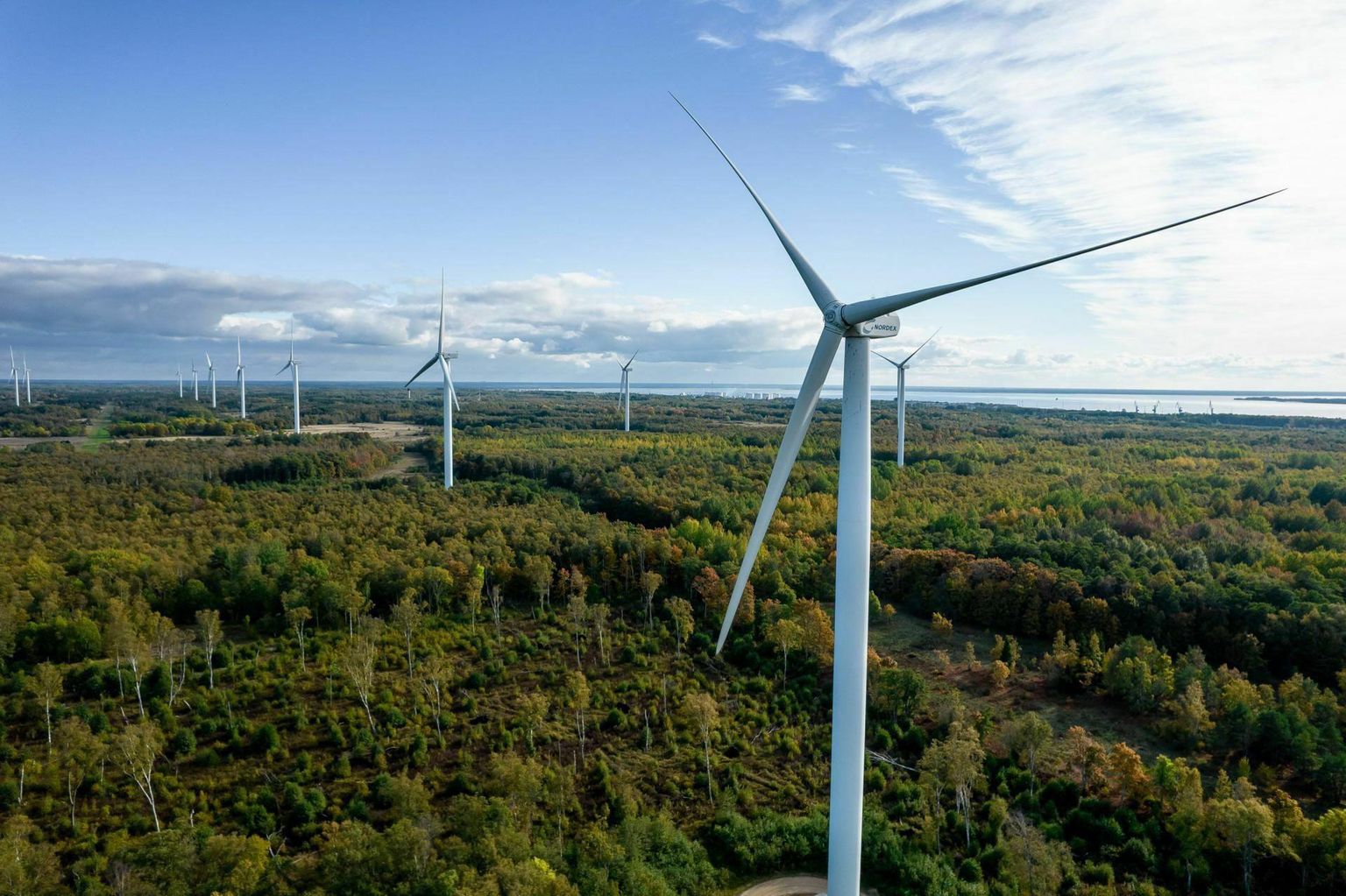
Our development manager Karl-Joonatan Kvell Kvell commented: “I am happy for the opportunity to speak on important topics in the development landscape of wind energy and to introduce Evecon’s Baltic portfolio. In addition, the conference provided an opportunity to get a good overview of the state of wind parks in Estonia and the Baltics, and potential solutions to improve processes. Thank you very much Estonian Wind Energy Association for this opportunity.”